Home » Life after cancer treatment
Life After cancer treatment
Adjusting to life outside hospital can be difficult
If your child has been hospital for a long time it can be hard for them to adjust to being at home. Sometimes they may feel they have been forgotten, they will probably be concerned that the cancer will return. The treatment team are there to support you as a family so talk to them about your concerns.
Even when the treatments are going well, the cancer still affects each member of your family. There are so many adjustments to make, family members may be apart, your other children may feel left out.
Despite all that is going on with your poorly child, family life goes on. Brothers and sisters have school and activities. Parents have jobs. It is hard to keep up with everyday activities and responsibilities while being with and caring for your child with cancer.
Life after cancer will undoubtably not be business as usual. Instead of going back to life as normal, it may be a time of continual adjustment. As a family it is important to tackle this together and to appreciate that there will be tensions that can last somme time.
Emotions
Be aware of your child’s feelings. Most children cope well with the cancer treatment but older children can be upset when they fully realise what happened to them. They may need to talk about their feelings, they may wish to meet other children who understand what they have been through
Check Ups
Your child will probably return to the consultant every 3 to 4 months initially for regular check ups, including blood tests and scans. It is a good idea to keep a personal record of your child’s medical information. As your child enters adulthood, they will have a clear, history of the diagnosis and treatments.
Lifestyle
Promote good health habits. Eating well and getting enough sleep and exercise will help your child feel better and be healthy.To better understand your child’s health care needs today and in the future, ask the treatment team.
Side Effects
Be alert to signs of lasting effects of cancer treatment. Cancer treatment may cause side effects many years later. Some cancer treatments may affect how your child learns and grows physically.Find out how likely they are to occur, some children are given growth hormone injections.
Your Child's Friends
Your child still has the same needs as other young people – going to school, having friends, and enjoying things that were a part of life before their illness. You can help meet these needs by letting your child live as normal a life as possible.
Encourage your child to stay in touch with friends. Keeping contact is easier if your child can continue to go to school while being diagnosed and treated.
If your child is going to be in hospital for a long period, try to encourage their friends to come and visit them in hospital. Many children (and their parents) say that friends who have shared cancer journey are more accepting and appreciate what your child has been through.
Financial Problems
We know cancer is not just stressful but expensive too. With travel to treatment centres, food and heating bills adding to the burdens of everyday life.
Cancer families are spending up to an extra £600 per month – so there is no shame in saying you’re finding it hard to manage.
You might be eligible for a grant from Joss Searchlight and extra benefits too. Contact us to see if we can help.
“Counselling is seen as weak. Would you go running with a broken leg? No, of course not. Sometimes we just need a little help, that’s what a psychologist does. We’re here to support and rehabilitate you on your journey. It’s okay to say you need to keep an eye on me I’m really struggling. It’s a sign of strength to say hold on a minute I’m not coping”
Dr Debbie Ford
Chartered Clinical Psychologist Bsc (Hons), PgDip, MSc, DClinPsy, C.Psychol.
You can do something amazing

Kiera’s Story
Princess’ Keira touched people around the world with her amazing battle against brain cancer. While on holiday, she collapsed while paddling in the sea. A CT scan showed she had a lesion on her brain and a further MRI scan confirmed a deadly brain tumour, a DIPG. Due to its location on her central brain stem, surgeons could not operate.

Naomi’s Story
Naomi was diagnosed with an aggressive brain tumour ependymoma, aged just four in 2007.She was given a 35 per cent chance of survival and underwent 3 brain operations and 28 rounds of intensive chemotherapy before she was told she was in remission from cancer in 2008.
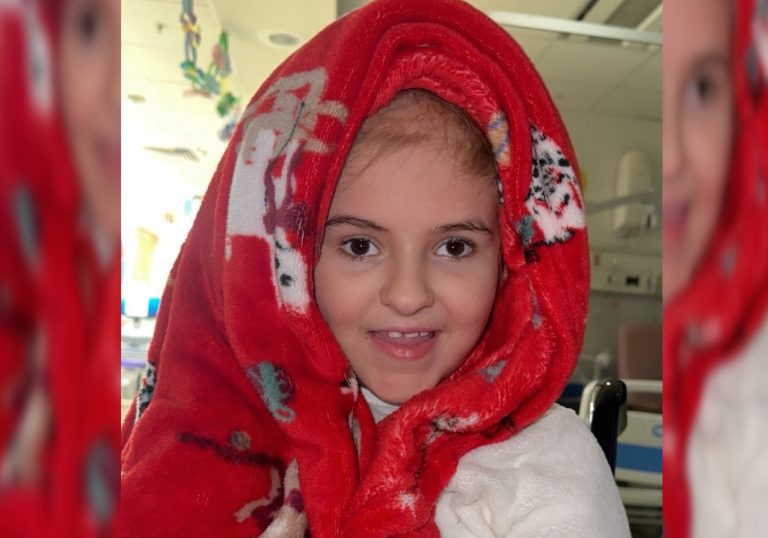
Ava’s Story
Ava is 9. In late summer 2025 she started to become unsteady on her feet and had multiple falls, vomiting and tremor, causing huge anxiety for her family.
Fighting to make all brain tumours curable
Annabel's Story
Annabel was a healthy happy 11 year old in her final term at primary school when she was diagnosed with a stage one brain tumour.
Following a seven hour procedure at Great Ormond Street Hospital she presented with symptoms of posterior fossa syndrome, often characterised by a reduction or an absence of speech. Over the next six months with treatment and rehabilitation she became stronger and returned home.
Annabel had to struggle very hard to overcome her disabilities, including learning to walk and talk again, but can now confidently say she’s on the road to recovery and leads a relatively normal life.
Seeing a child on the road to recovery is wonderful and makes everything we do worthwhile
Help us find a cure for rare brain tumours and give support today